Call Us : 08045816053



 Send Inquiry
Calcium Carbonate
Price 20 INR/ Kilograms
MOQ : 25 Kilograms
Calcium Carbonate Specification
- Purity
- 99%
- Storage
- Room Temperature
- Solubility
- In Water
- Grade
- Industrial Grade
- Type
- Calcium Carbonate
- Usage
- Dietary supplement: Source of calcium for bone health; used to prevent/treat calcium deficiency Antacid: Relieves heartburn, acid indigestion, and upset stomach Food industry: Used as a calcium fortifier and acidity regulator Pharmaceuticals: Tablet filler and coating agent Agriculture: Soil conditioner to reduce acidity (lime) Industrial: Used in cement, paint, paper, plastics, and rubber manufacturing
- Application
- Industrial
Calcium Carbonate Trade Information
- Minimum Order Quantity
- 25 Kilograms
- Payment Terms
- Cash in Advance (CID)
- Delivery Time
- 7 Days
- Sample Available
- No
- Sample Policy
- Free samples are available
- Packaging Details
- Plastic Bags / Paper Bags
- Main Export Market(s)
- Asia, Australia, Central America, North America, South America, Eastern Europe, Western Europe, Middle East, Africa
- Main Domestic Market
- All India
- Certifications
- ISO 9001:2008
About Calcium Carbonate
We are a well known supplier of Calcium Carbonate for our huge clientele base. It is a chemical compound that has chemical formula CaCO3. It is processed using a pure quarried source (usually marble) or by passing carbon dioxide into calcium hydroxide solution. It is available in diverse specifications to meet the requirements of our customers. It is rigorously inspected on varied parameters prior to dispatch to ensure high quality, durability, effectiveness and safe usage. This chemical is available at highly feasible prices.
Applications of Calcium Carbonate:
- Paints-coatings
- Plastics
- Adhesives
- Sealants
- Paper industry
| State Of Matter | Powder |
| Purity % | 96 |
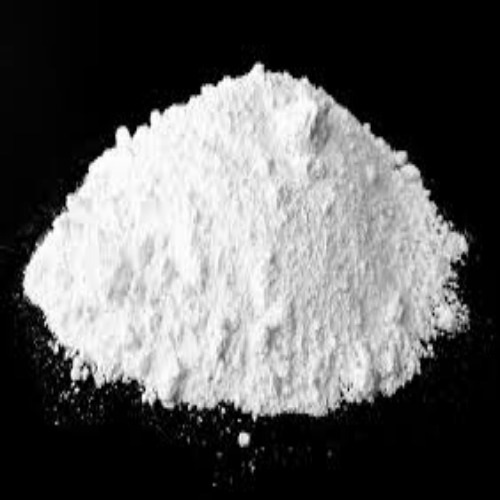
| Apperance | White Powder |
| Packaging | 25 Kg/Bag |
| Formula | Caco3 |
Calcium Carbonate Properties:
Calcium carbonate possesses several notable properties. Here are some key characteristics of calcium carbonate:
1. Chemical composition: Calcium carbonate has the chemical formula CaCO3, indicating that it is composed of calcium (Ca), carbon (C), and oxygen (O) atoms.
2. Appearance: In its pure form, calcium carbonate is a white, odorless powder or crystalline solid. It is insoluble in water but soluble in acids with the release of carbon dioxide.
3. Density: The density of calcium carbonate varies depending on its form. For example, the density of limestone, a common form of calcium carbonate, ranges from 2.5 to 2.7 grams per cubic centimeter (g/cm3).
4. Solubility: Calcium carbonate has limited solubility in water. At room temperature, only a small amount of calcium carbonate dissolves in water, resulting in a slightly alkaline solution. However, its solubility increases with decreasing temperature.
5. pH: Calcium carbonate is a basic compound, meaning it has a pH above 7. When calcium carbonate dissolves in water, it releases carbonate ions, which can react with hydrogen ions, reducing the acidity and increasing the pH of the solution.
6. Calcination: Calcium carbonate undergoes thermal decomposition when heated to high temperatures, a process known as calcination. It breaks down into calcium oxide (quicklime) and carbon dioxide gas.
7. Crystal structure: Calcium carbonate can crystallize into different crystal structures, including calcite and aragonite. Calcite is the most stable and common form, while aragonite is less stable and found in certain environments like coral reefs.
8. Abrasiveness: Calcium carbonate has a low abrasiveness, making it suitable for various applications, including toothpaste formulations and gentle exfoliants in cosmetic products.
9. Optical properties: Calcium carbonate is optically active and exhibits birefringence when viewed under polarized light. This property makes it useful in certain optical applications.
Frequently Asked Questions:
Q. What is calcium carbonate?
Ans: Calcium carbonate is a chemical compound with the formula CaCO3. It is a common substance found in rocks, such as limestone, marble, and chalk. It is also the main component of shells of marine organisms, snails, and eggshells.
Q. What are the uses of calcium carbonate?
Ans: Calcium carbonate has a wide range of applications in various industries. Some common uses include:
- Construction: It is used as a building material in the form of limestone and marble.
- Agriculture: It is utilized as a soil conditioner to adjust soil pH and provide essential calcium for plant growth.
- Pharmaceuticals: It is used as a dietary supplement and antacid to treat conditions like acid indigestion.
- Food and beverages: It is used as a food additive, providing texture, stability, and calcium enrichment in products like baked goods, dairy products, and beverages.
- Paper industry: It is a key component in the production of paper, providing brightness and bulk to the paper.
- Plastics and rubber: It is used as a filler and reinforcing agent in the manufacturing of plastics and rubber products.
- Environmental applications: It is employed in water treatment processes to neutralize acidic water and remove impurities.
Q. Are there any health risks associated with calcium carbonate?
Ans: Calcium carbonate is generally considered safe for consumption when used as directed. However, excessive intake of calcium carbonate supplements or antacids can lead to side effects such as constipation, gas, and bloating. People with certain medical conditions, like kidney stones or hypercalcemia, should consult a healthcare professional before taking calcium carbonate supplements.
Q. Can calcium carbonate be used as a dietary calcium source?
Ans: Yes, calcium carbonate is commonly used as a dietary supplement to provide calcium, which is an essential mineral for maintaining bone health. It is an economical and widely available source of calcium, but its important to follow recommended dosage guidelines and consult with a healthcare professional for proper supplementation.
Q. Can calcium carbonate be used in cooking and baking?
Ans: Yes, calcium carbonate can be used as a food additive in cooking and baking. It can act as a leavening agent, providing a source of carbon dioxide for dough rising. It is also used as a firming agent and pH regulator in various food products.
Versatile Industrial Applications
Calcium Carbonate serves multiple industries due to its adaptable properties. It enhances mechanical strength in plastics, provides brightness in paper, and improves the coverage of paints. Its usage in adhesives also increases durability and cost efficiency, making it invaluable for manufacturing processes requiring high-purity mineral additives.
Quality and Storage Assurance
This Calcium Carbonate boasts a 99% purity, ensuring consistent performance in end-use. The product is a white powder and remains stable when stored at room temperature under dry conditions. Its alkaline pH and low water solubility contribute to its durability and suitability for long-term storage without quality degradation.
FAQs of Calcium Carbonate:
Q: How is Calcium Carbonate commonly used in industrial applications?
A: Calcium Carbonate is primarily utilized as a filler and coating pigment in paints, plastics, paper, and adhesives due to its high purity and versatility. It enhances the products physical properties, such as strength and brightness, providing better performance and cost savings for manufacturers.Q: What is the recommended way to store Calcium Carbonate?
A: Its best to store Calcium Carbonate in a dry environment at room temperature. Keeping the product sealed and away from moisture will maintain its quality and prevent any alteration in its chemical properties.Q: When should Calcium Carbonate be added during the production process?
A: The timing of adding Calcium Carbonate depends on the specific production process. Typically, it is blended or mixed at the formulation stage with other raw materials to ensure even dispersion and optimal integration into the final product.Q: Where can Calcium Carbonate be supplied from in India?
A: As an established distributor, exporter, and importer in India, this Calcium Carbonate is readily available for supply to industrial clients nationwide, ensuring convenient access for manufacturers across various sectors.Q: What are the key benefits of using industrial grade Calcium Carbonate?
A: Industrial-grade Calcium Carbonate offers high purity, cost effectiveness, and enhanced durability. Its wide usage and versatility allow it to improve manufacturing processes and product performance across industries such as paints, plastics, paper, and adhesives.Q: How does the low solubility of Calcium Carbonate affect its applications?
A: The low solubility in water ensures that Calcium Carbonate retains its structural integrity and performance in formulations, making it advantageous for products where moisture resistance and stability are essential.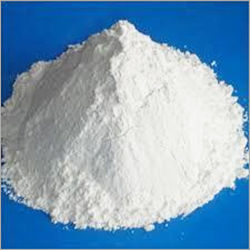
Tell us about your requirement

Price:
Quantity
Select Unit
- 50
- 100
- 200
- 250
- 500
- 1000+
Additional detail
Mobile number
Email

More Products in Industrial Chemicals Category
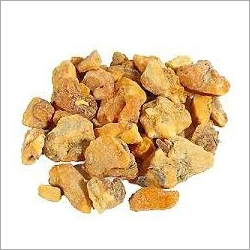
Benzoin Gum
Price 100 INR / Kilograms
Minimum Order Quantity : 25 Kilograms
Form : Solid
Storage : Room Temperature
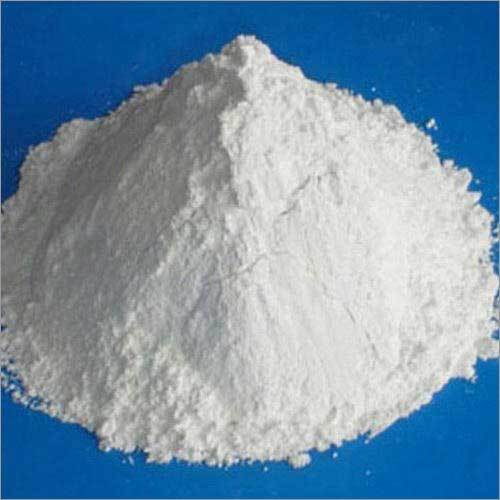
Aluminium Trihydrate
Price 80 INR / Kilograms
Minimum Order Quantity : 100 Kilograms
Form : Powder
Storage : Room Temperature
Grade : Industrial Grade
Application : Industrial
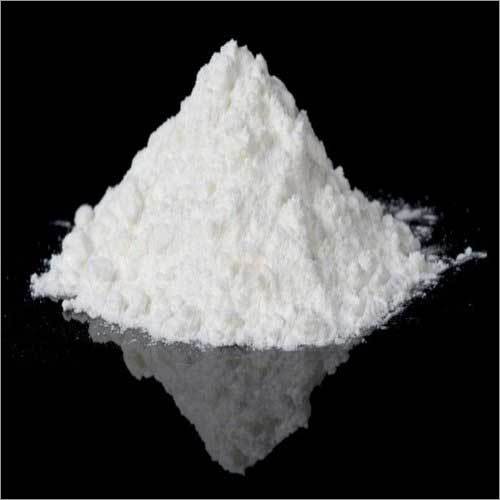
Calcium Stearate
Price 150 INR / Kilograms
Minimum Order Quantity : 25 Kilograms
Form : Powder
Grade : Industrial Grade
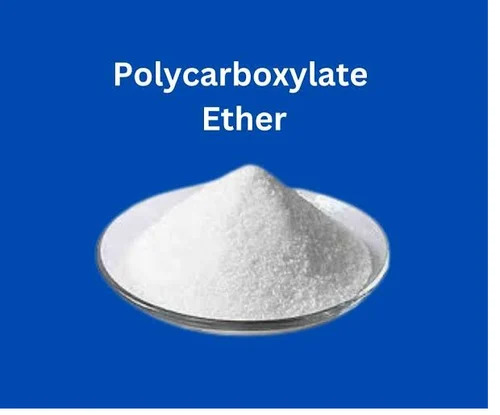
Polycarboxylate Ether Powder
Price 350 INR / Kilograms
Minimum Order Quantity : 100 Kilograms
Form : Powder
Storage : Shades
Grade : Industrial Grade
Application : Industrial

CHEMI ENTERPRISES LLP
GST : 27AAKFC4083H1ZB

- 501-504, Sapphire Business Arcade, M.G. Road, Ghatkopar East,Mumbai - 400077, Maharashtra, India
- Phone :08045816053

- Mrs Nisha (Sales Director)
- Mobile :08045816053
- Send Inquiry
 Send Inquiry

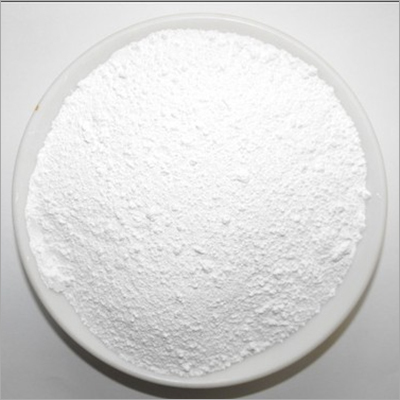

 Send Inquiry
 Send SMS
CHEMI ENTERPRISES LLP
All Rights Reserved.(Terms of Use)
Developed and Managed by Infocom Network Private Limited.
Developed and Managed by Infocom Network Private Limited.


 English
 Spanish
 French
 German
 Italian
 Chinese (Simplified)
 Japanese
 Korean
 Arabic
 Portuguese